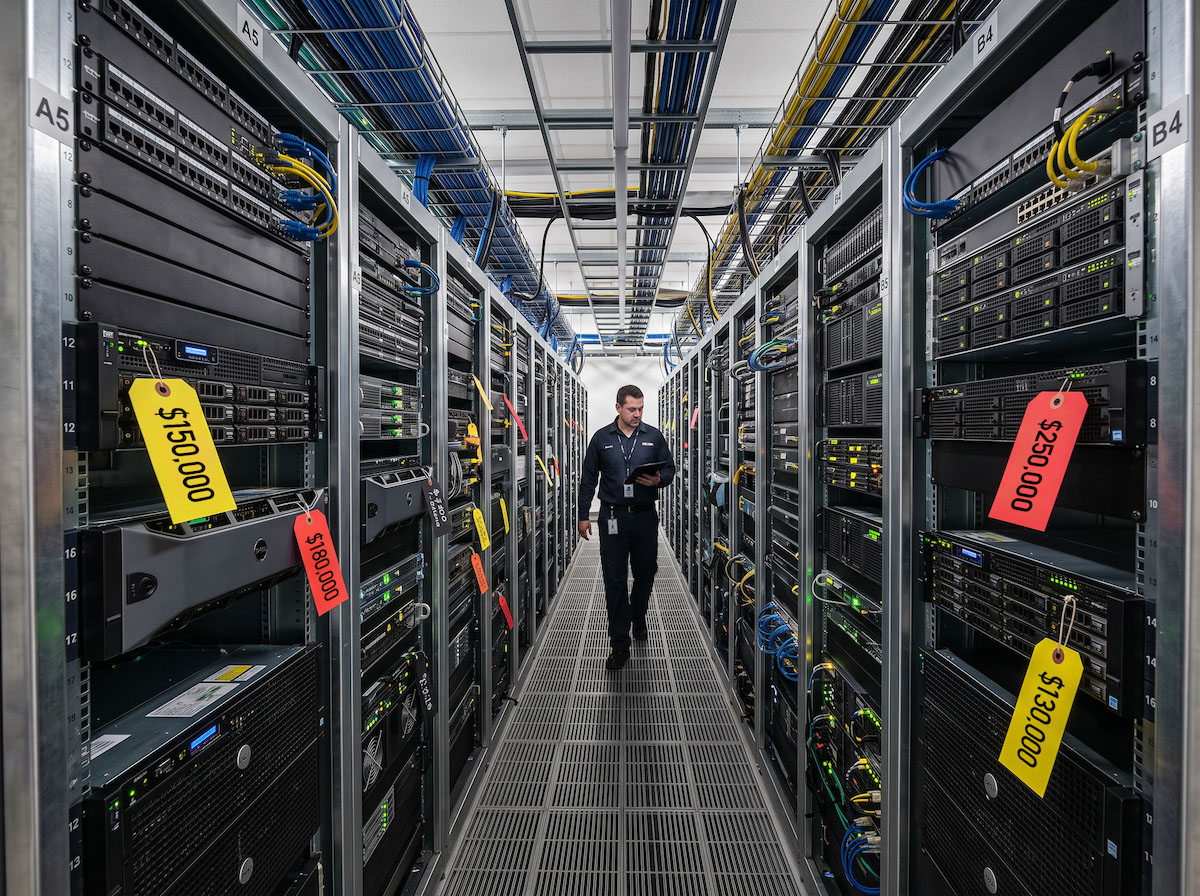
For a long time, memory was one of those server components infrastructure teams could plan around almost automatically.
You knew roughly how much RAM a server needed. Prices generally moved in a familiar direction: newer generations arrived, capacity increased, and the cost per gigabyte tended to come down over time. If a project was delayed for a few months, that rarely changed the hardware economics very much.
That assumption is becoming much less reliable.
The memory market has gone through an unusually sharp price cycle since late 2025. The pace of growth has now slowed, which is a positive development. But the latest numbers do not show a return to normal pricing. Server DRAM remains under pressure, and the underlying supply-demand imbalance is expected to persist into 2027.
For infrastructure teams, that changes the calculation. Memory is no longer simply another line on a server quotation. It can influence the architecture, procurement timing and, in some cases, the decision to buy hardware at all.